
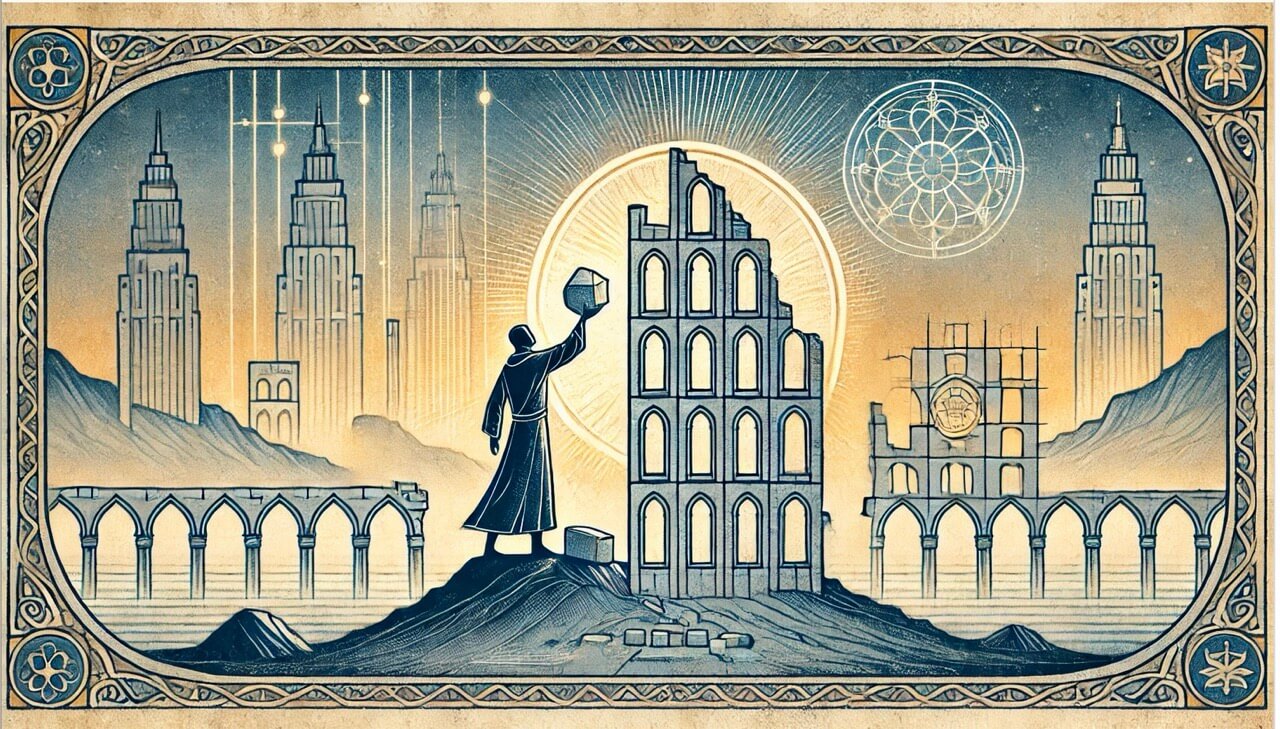
“The ones who are crazy enough to think they can change the world are the ones who do.”
– Steve Jobs
Is true innovation possible without challenging the status quo? Can creativity thrive without disruption?
I’ve always believed that true creative breakthroughs don’t come from making what already exists better, but from breaking the mold entirely by challenging the status quo, defying expectations, and taking bold, unconventional risks. Some people are wired to reject outdated systems and create something entirely new.
These are who I believe embody the Rebel Innovator Archetype—a fearless force that questions, disrupts, and redefines the landscape of creativity and progress.
What is the Rebel Innovator Archetype?
The Rebel is a creative rule-breaker, a visionary, and a provocateur. Unlike those who build within existing frameworks, the Rebel instinctively tears down barriers to make space for something better. But what sets them apart is not just their defiance—it’s their ability to see a radically different world and the urge to bring it to life.
The Rebel thrives on transformation, refusing to accept limitations imposed by tradition or convention. They are not reckless disruptors; they are architects of change, guided by a deep desire to create meaningful impact.
With a mindset geared toward revolution and reinvention, Rebels are essential in industries that demand boldness and creativity. They aren’t satisfied with slight improvements—they want to turn the system upside down.
The Psychology Behind the Rebel Archetype
Swiss psychologist Carl Jung introduced the concept of archetypes—universal personality patterns that shape human behavior. The Rebel archetype blends elements of Jung’s Outlaw (the disruptor, the revolutionary) and the Artist (the visionary, the creator). This combination results in someone who doesn’t just defy rules for the sake of rebellion but does so to unlock greater creative and societal potential.
Throughout history and mythology, we see this archetype reflected in figures like Prometheus (Greek), Loki (Norse), and Kali (Hinduism)—powerful agents of destruction and transformation. Their stories serve as reminders that upheaval is often the necessary precursor to innovation and renewal.
Core Motivations of the rebel: Desires, Fears, and Disruptive Strategies
Rebels are driven by the need for radical freedom and impact. They don’t just want to create within the lines—they want to redraw them entirely.
The rebel’s greatest fear? Mediocrity. Nothing unsettles a Rebel more than the idea of being powerless, stuck in a system that suppresses creativity, or leaving no mark on the world.
The Dimensions of the rebel Archetype
Through my experience working with creative minds, I’ve developed a structured framework inspired by the Wheel of Life to assess the key dimensions of the Rebel archetype. These help map both strengths and challenges.

| Vision / Purpose | The drive to create, revolutionize, and leave a lasting impact. 9/10 |
| Influence | Ability to inspire movements and shift cultural perspectives. 8/10 |
| Emotional Core | Deep frustration with stagnation and systemic inefficiency. 7/10 |
| Action Style | Fast, impulsive, and driven by urgency for change. 8/10 |
| Connection | Prone to alienation due to their radical nature. 5/10 |
| Creativity (Innovation) | Exceptional at ideation and reinvention. 10/10 |
Rebels excel in fields that demand risk-taking, invention, and cultural shifts.
However, their lack of structure and aversion to constraints can lead to frustration when it comes to execution. Developing patience, collaboration, and strategic thinking can turn Rebels from disruptors into true pioneers.
Strengths and Positive Traits of the Rebel Archetype
- Masters of reinvention – Rebels don’t just create; they revolutionize.
- Unafraid of risk – While others hesitate, Rebels push forward without fear.
- Cultural challengers – They expose flaws in systems and industries, paving the way for progress.
- Magnetic and bold – Their conviction attracts those who crave change.
Challenges and Shadow Aspects of the Rebel Archetype
Like all archetypes, the Rebel has a shadow side. Their strong sense of control can lead to:
- Disrupting without a plan – Breaking things down is easy; building something better is the real challenge.
- Struggling with collaboration – Their independent spirit can create friction in teams.
- Perfectionism & frustration – When their vision isn’t immediately realized, Rebels can feel paralyzed.
- Alienation – Others may see them as too aggressive, impractical, or difficult to work with.
When Rebels feel blocked, they may default to chaotic destruction rather than focused change.
To grow, they must balance disruption with execution—channeling their visionary energy into tangible outcomes.
Famous Figures Who Embody the Captain Archetype

What do Jobs, Frida and even Banksy have in common? The Rebel archetype isn’t just found in folklore—it’s alive in some of the most influential figures in history and modern culture:
- Steve Jobs – Redefined technology, refusing to settle for “good enough.”
- Frida Kahlo – A groundbreaking artist whose deeply personal and political work challenged conventions and redefined self-expression.
- Banksy – A rebellious artist who challenges societal norms strategically placing provocative street art in public areas.
- Hedy Lamarr – An actress but also inventor who defied expectations, co-developing groundbreaking technology that laid the foundation for modern wireless communication.
We also see the Rebel archetype in activists, designers, entrepreneurs, and maverick thinkers who refuse to conform and instead shape the world in their vision.

Discover Your Innovator Persona
Uncover your unique creative style and learn how to leverage it for innovative thinking and leadership.
How to Cultivate the Captain Archetype Within Yourself
If the Rebel resonates with you, here’s how you can lean into your strengths and refine your leadership style:
- Develop the confidence to transform rebellious energy into meaningful progress.
- Question conventional wisdom and look for new, unconventional solutions in your field.
- Surround yourself with those who encourage bold thinking, but also develop the discipline to follow through on your ideas.
- Channel your creative defiance into action by committing to projects, learning from failures, and continuously pushing boundaries.
The Rebel archetype is the spark that keeps teams from sleepwalking into “how we’ve always done it”. They question assumptions, provoke new angles, and often sense shifts in culture before anyone else notices. But without direction, that same energy can fragment a team or stall good ideas in endless challenge mode.
If you lead Rebels — or you are one — it’s worth designing spaces where that disruptive energy is both welcomed and productively channeled into experiments, prototypes, and strategic bets. That’s where the magic (and value) lives.
👉 Next step:
I help teams harness Rebel-style creativity inside structured workshops and innovation sprints, so it actually moves the work forward. If that sounds useful for your agency, studio, or product team, reach out and we can explore what that might look like.